I wrote this poem last month and gave it the interesting title “Journey of our hearts.” I also translated it in Kreyòl, but the Kreyòl translation does not capture all the nuances the English original possesses.
“Journey of our Hearts”: A Poem
Let’s go, let’s go, my heart’s open wide.
It knows your worth.
I can’t promise you the world, but I’ll be by your side.
With secrets to share, and dreams to unfold,
In the warmth of your presence, a love to behold,
Let’s walk this path by my side.
Even if nothing on earth is perfect and bright, it’s true,
I want you in my life—this secret’s for you.
Let me take you somewhere where youth won’t decay,
A place where we will play
Together, we’ll dance in the rain.
Let’s go, let’s go, to a place where love thrives,
The greatest treasure we’ll find, the spark that survives.
A bond that grows stronger, two hearts intertwined.
A garden of laughter, you and I will share.
Let’s go, let’s go, where the sun lights our way.
If we wait for wealth or riches to make our dreams whole,
We might lose the essence, the heart of our soul.
But knowing you is a blessing so bright,
In the glow of our love, just me and you.
Let’s go, let’s go, and chase love’s endless light.
Let’s go, let’s go, hand in hand we will stride,
With you in my life, I have nothing to hide.
Those who doubt our journey, who say we’ve lost reason,
Don’t see the blessing that’s in every season.
So here’s my heart, in this journey we’ll tread,
In a world filled with wonder, with you as my guide.
“Vwayaj Kè Nou”: Yon Pwezi
Ann ale, ann ale, kè mwen louvri laj,
Li konnen valè ou, se pa yon maji.
Mwen pa ka pwomèt ou mond lan, men mwen la bò kote ou,
Avèk sekrè pou pataje, ak rèv pou devwale tou.
Menm si anyen sou tè a pa pafè ak klere,
Se laverite, mwen vle ou nan lavi mwen—sekrè sa a se pou ou.
Kite m mennen ou yon kote kote jèn pa pèdi,
Yon plas kote nou ka jwe ansanm, anba lapli.
Ann ale, ann ale, nan yon kote kote lanmou fleri,
Pi gwo trezò n ap jwenn, sa ki kenbe vivan.
Yon lyen ki vin pi fò, de kè ki entwine,
Yon jaden ri, ou menm ak mwen ap pataje.
Ann ale, ann ale, kote solèy la klere chemen nou.
Si nou tann pou richès oswa byen pou reyalize rèv nou,
Nou ka pèdi esans lan, kè nan nanm nou.
Men, konnen ou se yon benediksyon ki klere,
Nan limyè lanmou nou, se mwen ak ou sèlman.
Ann ale, ann ale, pou chache limyè lanmou san fen.
Ann ale, ann ale, men nan men n ap avanse,
Avèk ou nan lavi mwen, mwen pa gen anyen pou kache.
Sa yo ki doute vwayaj nou, ki di nou pèdi rezon,
Pa wè benediksyon ki nan chak sezon.
Men kè mwen, nan vwayaj sa a n ap fè,
Nan yon mond plen etonnman, avèk ou kòm gid mwen.
Uncategorized
Pope Francis & Navigating Cultural Perspectives on God
Navigating Cultural Perspectives on God: Some Fundamental Questions to Consider (Part 1)
If there exists a singular Deity/God who has disclosed himself/herself in various cultures worldwide, it follows that this Deity/God, both in essence and in personal attributes, must exhibit a consistent nature across these diverse cultural contexts. While different cultures may interpret the nature and identity of God in varied ways based on their unique perspectives and cultural frameworks, the fundamental ontological unity of God should remain unchanged. For instance, whether viewed as a singular entity or a trinity, this ontological understanding of God should ideally transcend cultural boundaries, hermeneutics, and epistemologies.
However, despite the universal availability of divine revelation, cultural interpretations of God can diverge significantly. Why, then, do some cultures perceive God as singular while others perceive God as triune? If God represents the ultimate reality and truth, shouldn’t human understanding of God align with the manner in which God has revealed himself/herself, reflecting a consistent truth?
Let us explore these issues important questions below:
1. Is it conceivable that certain cultures grasp a more accurate understanding of God than others? If so, how can these cultures be confident that their comprehension aligns closely with God’s original intent and revelation?
2. Could it be that some cultures’ conceptions of God represent a departure from the authentic divine revelation?
3. Is there a possibility that all interpretations of divine revelation and knowledge about God are fundamentally flawed? How can humanity ultimately come to know God accurately or truthfully?
These questions delve into the complexities of theological interpretation across cultures, prompting reflection on how diverse human perspectives shape our understanding of the divine.
While it can be challenging to contemplate and express certain concepts about God without filtering them through our cultural perspectives, it’s crucial to differentiate between the concept of culture and the concept of God. When God is exclusively seen through the lens of a specific culture, there’s a risk that this cultural framework might distort the true essence of God. Conversely, if God is not considered within certain cultural traditions and practices, that God may seem unfamiliar or foreign to those within that culture.
If God indeed transcends our cultural constructs and exceeds our imaginations, it becomes necessary to somewhat disentangle God from our cultural biases and specificities. A God who mirrors human behaviors may not rise above human conceptions of God. Conversely, a God who transcends human imagination and cultural boundaries is not confined to such habits or specificities.
Moreover, let’s revisit my previous discussion about Pope Francis’s remarks regarding God and how different cultures or religions perceive and interpret God. Christianity and Islam, for example, are particularly noteworthy due to their explicit claims about the authority of salvation. For example, Jesus asserts his divinity as the sole true messenger of God on Earth, describing himself as the exclusive gateway to God. Crucially, Jesus also claims to be God incarnate.
(Pope Francis recently made this declaration in public, but the statement cannot be both true and false at the same time and in light of the exclusive claims of Christianity and Islam—Christianity concerning Jesus as the “Christ” and Islam concerning Prophet Muhammad as God’s “Final Prophet”—for example:
“All religions are paths to reach God. They are—to make a comparison—like different languages, different dialects, to get there. But God is God for everyone. If you start to fight saying ‘my religion is more important than yours, mine is true and yours isn’t’, where will this lead us? There is only one God, and each of us has a language to arrive at God. Some are Sheik, Muslim, Hindu, Christians; they are different ways to God.”
—-Pope Francis)
Pope Francis’s statements have several implications:
1. All religions are perceived as equal and provide an equivalent path or access to God.
2. All religions essentially tell the same universal story about God, albeit with cultural variations.
3. God does not belong exclusively to any religious system nor is God bound by any particular tradition.
4. God is a shared inheritance and possession of all religions and their adherents; in other words, God belongs to the people.
5. God transcends all religious traditions and their doctrines.
In reality, religions do not universally share the same language or beliefs about God; often, they contradict each other in their teachings and doctrines. Nevertheless, God is aware of and acknowledges the languages and belief systems created by humans because God is and has been present within every culture and left a mark on each. To put it differently, God exists simultaneously here and there.
For instance, in Haitian Vodou, “Bondye” (God) is viewed as a distant and transcendent deity whom no one can directly approach. Instead, Bondye created and delegated the lwa (spirits) to assist humans; thus, it is through the lwa that Bondye interacts with people within this tradition. Conversely, in Judaism, Christianity, and Islam, God is seen as the supreme ruler of the universe, and he is actively involved in human history and affairs, while also being transcendent and omnipresent. Another example contrasts Christianity, where Jesus is regarded as the cosmic Savior and Lord, with Prophet Muhammad, who did not make similar claims. Similarly, the Yoruba and Vodou religions do not espouse the concept of a cosmic Savior and Redeemer. Despite these differences, all religions offer elements of truth regarding God, human origins, ethics, and human relationships, albeit with varying goals and interpretations.
In conclusion, while religious pluralism and epistemic relativism acknowledge the diversity among religions, it’s essential to recognize that religions differ significantly in their perspectives. Ultimately, every religion may present distinct concepts of God and varying teachings, yet God understands and embraces the diverse languages and beliefs of all religions, having left an imprint in every culture.
What am I doing this summer?
1. I will be teaching an 8-week course (May-July) at my institution.
2. I will be presenting at a Literature conference in England in July.
3. I will finish working on my revisions for my forthcoming book on Jean Price-Mars (Vanderbilt University Press)
4. Take a short vacation trip to New York (a weekend in June)
5. Summer Reading list: here are the books that I intend to read this summer if the good Lord continues to grace me with good health and mental stability:
a. “Village Weavers” by Myriam J.A. Chancy (Tim House, 2024)
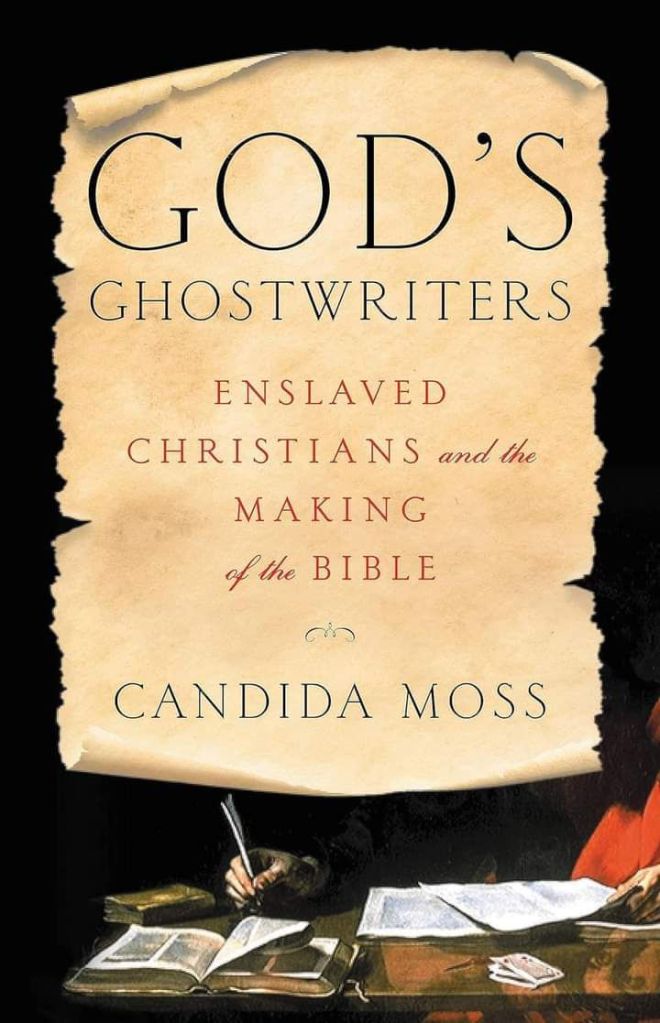
b. “God’s Ghostwriters: Enslaved Christians and the Making of the Bible” by Candida Moss (Little, Brown and Company, 2024)
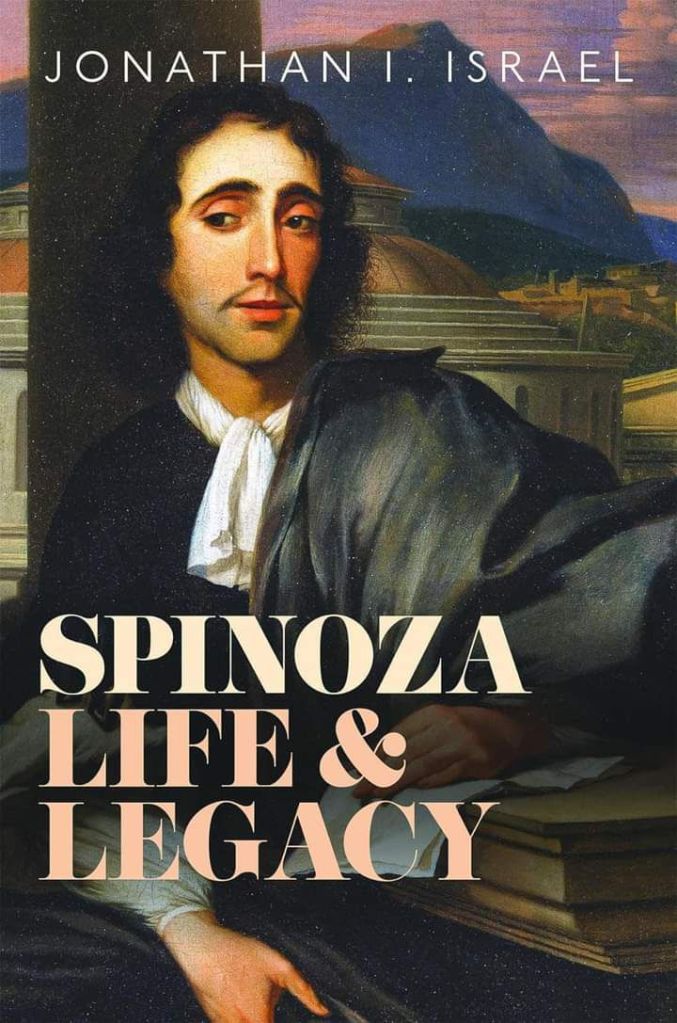
c. “Spinoza, Life and Legacy” by Jonathan I. Israel (Oxford University Press, 2023)
d. “A Darkly Radiant Vision: The Black Social Gospel in the Shadow of MLK” by Gary Dorrien (Yale University Press, 2023)
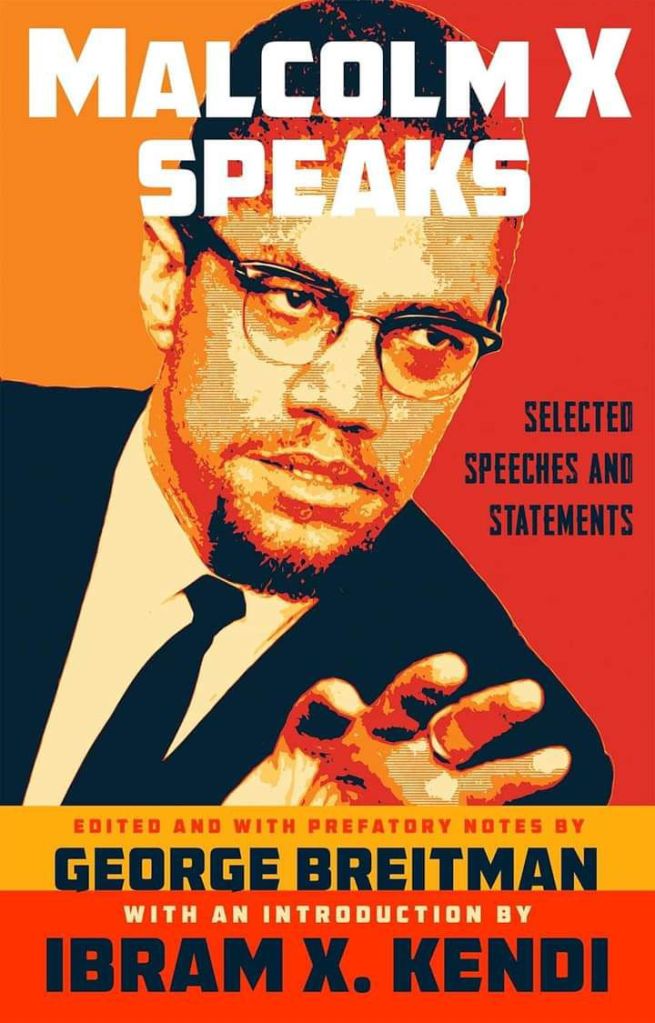
e. “Malcolm X Speaks: Selected Speeches and Statements” by Malcolm X, edited and with prefatory notes by George Breitman with an introduction by Ibram X. Kendi (Grove Press, 2024)
f. “Towards a Christian Theology of African Ancestors” by Thomas Ochieng Otanga
(Wipf and Stock Publishers, 2023)
g. “Inner-City Blues: Black Theology and Black Poverty in the United States” by Darvin Anton Adams (Wipf and Stock Publishers, 2023)
h. “Dylan’s Visions of Sin” by Christopher Ricks (Harper Collins, 2003)


“Nature in Love”: A New Poem
It’s been a little over three to four months since I have written a poem. Since yesterday, I have been thinking about the intersection of nature, romance, and human connection with nature. I just finished writing this new poem I called “Nature in Love” that explores these various dynamics and themes. It is a poem of three stanzas. Let me know what you think.
“Nature in Love”
Walking a lonely night, in a field where wildflowers sway,
Love blossomed in the light of day while we gazed at the sky.
We felt a sense of connection with celestial hosts, and a gentle breeze birthed nature’s song.
We experienced the healing power of nature’s grace, and a symphony of life filled the air.
A tender embrace at the dance of the leaves sealed two drifted hearts in a harmonious path.
On the other side of the forest, silence reigned supreme, and every shade created a story pure and true.
Underneath the starry sky, we heard our own voices, and we chased our dreams with resilient hope and creative imagination.
Your body, adorned with the tears of the forest birds, revealed the hidden secrets and pains untold.
The tranquility of the night made love a sacred art in every heart.
You and I wandered hand in hand in this vast and wondrous land.
Mountains rose with steadfast grace, the escape gate to a failed romance ensured the kiss of rain upon the earth.
Being surrounded by strange creatures that sustained the past and memory, nature and love joined forces to create the masterpiece of life.
In nature’s arms, we found our place.
In nature’s love, we recreated ourselves.
In every valley, every hill, love and nature will make human presence in the land soft and still.
“Consistent Faith (in God) and Stories of Faith in Moments of Grief”
To be honest, I don’t like listening to stories about people suffering.Yet I know that listening actively to those going through moments of grief and mourning can make us more humane and through which, we are given countless opportunities to grow in relentless compassion and mental maturity.
I have always done my best to emphasize with those who are experiencing seasons of grief and pain in their life. I often try to understand their backstory and their life trajectories so I could engage them in meaningful conversations with a purpose to find healing and provide guidance.
In the past few months or so, I have read various stories by people of faith, especially Christians, on unbearable terminal illnesses; stories about miscarriages and forced abortions; the devastated loss of a baby or a child; the passing of a dear mother or father; the unexpected death of a dear brother or sister; the problem of suffering and pain in life; and stories about disappointment and defeats, and stories about moments of challenge and darkness in life.
For example, I read a story about a single mother who worked two jobs to pay her car note and rent as well as to provide for her daughter and put food on the table. She said that I have been a faithful Christian and never missed a prayer meeting or a Bible study at my church. Yet “God has allowed the car dealer to repossess my car because I couldn’t keep up with all those bills. I have been faithfullly serving him. I just don’t understand why he let that happen.”
I read a story about a young married couple (they have been married for less than three years. The wife became pregnant in the second year of their married life.) who lost their baby while the mother was eight months pregnant. Their grief was unbearable; yet the mother writes, “I love you, my child. I know that I will see you again in heaven one day when all of us will be united.”
I read another story about a seminary couple. They have been married for about five years. Their precious 7 year-old daughter was going through a difficult time: a terminal cancer. She died at the local children’s hospital while the husband was in a seminary class learning about how to minister to youth and young adults. The young man was studying to be a Youth Pastor.
Yet I read another story about another family of five who were driving home from vacation. A teenager was speeding while driving, losing control of the wheel, and hit the family car. Four members of the family were pronounced dead at the scene.
What surprised me throughout these various stories was how these Christians were still firm in their faith and clinged more to God through Christ. They became more assertive about divine providence and God’s faithfulness in their journey of faith. Although some of them asked God difficult and challenging questions, they never doubt the grace and love of God in the midst of these challenges and moments of grief.
As I continue to reflect upon these stories of grief and devastated human experiences, I have somewhat become attached to the pain of these individuals, but at the same I am deeply moved by their shared suffering and cry for consolation and comfort from God and others. Listening with care and understanding to others who are grieving and suffering may pave the way towards our own healing and psychological relief.
James Cone and the contemporary American church
Six years ago, I wrote this essay on James Cone and the vocation of the contemporary church in America. As we begin the new year, if you want to hear a fresh perspective and a prophetic voice and message about the role of the church in society, check it out: “James H. Cone: The Vocation of Christian Theology and the Christian Church Today”
Happy New Year to you!
Happy New Year, Good People!
May the good and sovereign Lord guide and preserve you and your family!
May the love of God compel you to produce what is good, lovely, and harmonious!
May you walk humbly before the Lord!
May you grow in knowledge, empathy, tolerance, wisdom, compassion, understanding, humility, and love!
May you practice active forgiveness and participate in the process of reconciliation and unity in your community, city, and in your country!
May you contribute to other people’s flourishing; learn to love all people stronger and intentionally; show hospitality and acts of kindness to strangers everyday; and serve all people!
May you practice self-care, self-reflection, meditation, and have an active prayer life!
May your days be fruitful and your life be prosperous during the new year:2024
Searching for You: A Poem
“Searching for You”
In a world of rejection….
the tears of the moon become thick
The sky is darkened
The universe is sad because of you
Rough winds carry you afar
Sadness fills your shadow
The night devours my soul
The cold wind stings my heart
Loneliness surrounds my body
Longing for a new place to hope
Where the oceans kiss the blue sky
The shattered heart I cannot bear
A bruise that scars my soul
If I ever dream, dream of a new life,
dream of love in the future,
It is okay…it will be with you
If I see destruction and know suffering
It will be okay to suffer with you
If I go to a distant land, full of charm and your memories
You will come with me
Your love is my love
Book Launch Event: “Vodou and Christianity in Interreligious Dialogue”
Dr. Celucien Joseph is inviting you to a scheduled Zoom meeting.
Topic: Book Launch Event: Vodou and Christianity in Interreligious Dialogue
Time: Nov 26, 2023 06:00 PM Central Time (US and Canada)
You are invited to a Zoom meeting.
When: Nov 26, 2023 06:00 PM Central Time (US and Canada)
Register in advance for this meeting:
https://us02web.zoom.us/meeting/register/tZwtd–rqz4iGtM-f0vKv4kT75pHsIKL84I8
After registering, you will receive a confirmation email containing information about joining the meeting.


November 2023 Itinerary and Speaking Engagements
Those of you who can and know how to pray, say a little prayer for brother Lou for the month of November. I need all the prayers in the world and all the angels in heaven to intervene on my behalf for these interesting speaking engagements. What was I thinking to say YES to all these events and invitations😊😊😊
· Thursday, November 7: I will be giving a paper at the Colloque International sur la Contribution d’Haïti à l’émancipation des peuples (lutte globale contre l’esclavage et la colonisation)/ International Conference on Haiti’s Contribution to the Emancipation of Peoples (global fight against slavery and colonization) on the recent literature on the Haitian Revolution, published in the past decade or so. It is called “Rethinking ‘The Haitian Turn,’ from 2012 to 2023: An Assessment of the Most Recent Literature on the Haitian Revolution in English.”
· Saturday, November 11: I will be interviewing Dr. Pierre St Louis on “Christian Mission and the transmission of the Gospel in Haiti” for the Center for Faith, Reason, and Dialogue (CFRD).
· Saturday-Monday, November 18-21: At the American Academy of Religion’s annual conference (San Antonio, TX), I will be presenting two papers. My first presentation will be on the topic of “Vodou and Christianity in Interreligious Dialogue and the Roots of Religious Disagreement.” My second presentation will be on the subject of “Pope John Paul II, the Haitian Episcopal Conference of the Catholic Bishops, and the Emergence of Liberation Theology in Haiti.”
· Sunday, November 26: I will be moderating the book launch event for my new co-edited book “Vodou and Christianity in Interreligious Dialogue ” (Pickwick Publications, 2023) via zoom. You will get to hear from the other coeditors and contributors of this excellent and much-needed volume.
· Wednesday, November 29: I will be giving a talk to a group of talented College Preparatory students at the Metairie Park Country Day School (Metairie, LA). The title of my talk is “Haitian Vodou and Haiti’s Connections with Louisiana through a common religious and cultural heritage.”
· Wednesday, November 29: Pascal Robert, the host of “This is Revolution podcast,” will interview me on “The Lifetimes and Significance of Jean Price-Mars.”
L