“Twenty Lessons from Twenty Years: What I have Learned as an Educator, Writer, and Academic”
By Celucien L. Joseph, PhD
This year marks two decades since I began my journey as an educator, writer, and academic. Along the way, I have taught in classrooms of all sizes, mentored students from many walks of life, published research, and wrestled with words in the quiet hours of early mornings or late nights. However, beyond the books, syllabi, and conferences, I have collected a set of enduring truths; these are the lessons that have shaped not just by scholarship and research but also by relationships, mentorship, challenges, reflection, professional growth, and a profound ccommitment to cultivate the life of the mind and the life of the soul.
In this post, I am pleased to share twenty of the most important lessons I have learned on this path:
- Learning Never Ends
The more I teach, the more I realize how much I still have to learn, and I have become more intellectually skeptical (and optimistic) about the complexity of knowledge, beauty, and truth—in the most paradoxical way. Education is not just a lifelong pursuit; it’s a life of contemplation and transformation, respectively.
- Teaching Is a Moral and Spiritual Calling
Teaching is not just about transferring knowledge and instilling in others a passion for learning. It is also a commitment to the individual and the community for the purpose of gaining both intellectual and spiritual development and freedom. Teaching is about shaping character, modeling integrity, and inviting others into transformation. Teaching is about nurturing a community, developing a nation, and raising up a people to future possibilities.
- People Remember How You Made Them Feel
Before they recall your lecture notes or citations, students will remember if you saw them, guided them, believed in them, and treated them with dignity and care.
- Good Writing Requires Showing Up & Patience
Good research and writing skills help. Talent is also a gain. However, there’s something more relevant than these acquired skills. It’s self-discipline and patience, which include daily practice and learning, messy drafts, deleted paragraphs and pages, and relentless editing, contributing to the creation of meaningful work.
- Scholarship Is Never Neutral
Every text, lecture, and citation comes with a perspective and is informed by life experience. Acknowledging that (the pursuit of) truth is the first step toward honest, courageous, and responsible scholarship. Scholarship becomes good and transformative when it is centered around the human condition and the promotion of human agency and freedom.
- Stay Humble; there’s Always More to Know
No amount of titles or accolades exempts you from the need to listen, grow, and be corrected. Humility is the strength of team-building and collective success. The pursuit of knowledge and understanding is noteworthy, but having the disposition to grow and become a better human being is learned in the company of others. God is the source of truth and wisdom.
- Embrace the Silence
There are seasons when nothing seems to flow or makes sense. Sometimes, it’s the silence of words, the hiddenness of God, the absence of clarity, and the pain of finding the right expression to activate the soul. That silence often precedes something deep and new, and it might lead to the birth of the miraculous.
- Mentorship Is Ministry
Mentoring is not a just task on a to-do list. It’s visionary leadership and legacy work. It’s how we multiply what we have learned into the lives of others, and it signifies our intentional doing or contribution to a generation that is yet to be born. Mentoring is about the process of dream-making and community-building. Mentoring is human connection and the experience of a shared and embraced life.
- The Classroom Is Sacred Ground
The classroom is not just where information is exchanged or transmitted to our student audience. It’s the location where identities are shaped, dreams are kindled, and healing begins. The classroom is about the human experience and the birthplace of the courageous community, the effective leadership, and the thriving nation we envision as a people.
- Cultural Competence Is Non-Negotiable
We cannot teach effectively and transform lives if we don’t understand or ignore our students’ contexts and lived-experiences. Caring about and familiarizing ourselves with our students’ histories, languages, and living conditions help us to build cultural competencies and human connections—in order to empower them to achieve their desired goals and change their communities.
- Progress Does Not Always Look Like Progress
Success often disguises itself as failure, redirection, or long stretches of waiting. The rejected article or book manuscript might lead to a change in the discipline or academic internship/tenure/promotion.
- Critique Is a Mirror
Feedback, even when uncomfortable and undesirable, is a mirror that helps refine our ideas and deepen our research or self-awareness. Whether the feedback is positive or negative, there’s always something to learn from a different, even contrary perspective.
- Writing Is an Act of Justice
Use the written words to defend the cause of the weak and marginalized, and the spoken words to redirect those who have been misguided and to empower those who have been neglected in society. Words can comfort the afflicted and afflict the comfortable. They can name injustice, recover memory, advocate for truth, and free people from oppression.
- As Technology Continues to Evolve, Good Teaching Will Endure
Digital tools are useful and digital learning has its rightful place in the sphere of education and its future promises and challenges. However, the good pedagogy rooted in human connection, mentorship, empathy, clarity, and curiosity will always be relevant to our students. We should always strive to re-humanize education in the twenty-first century, and the human connection will be sustained and shared by creating strong bonds between the students and their teachers.
- We Must Decolonize Knowledge
It’s a disservice to our increasingly connected world and multicultural (student) communities to continue teaching, writing, and thinking as if Western thought is the sole authority; we should not propagate this myth that Eurocentrism is the only proper way of knowing and learning about the human experience in global history.
Decolonizing the academy means amplifying marginalized voices and questioning dominant narratives.
Decolonizing the Eurocentric-based education
is an invitation to consider parallel perspectives and incorporate alternative ways into the process of educating and empowering our students.
If education means freedom, decolonizing knowledge is the recovering and acknowledging of other people’s experiences and parallel histories.
- Protect Your Health and Energy
One of the existential challenges educators and scholars face in higher education and secondary education is exhaustion and constant pressure to get the job done. Burnout is not proof of commitment nor is it an indicator of your success. We all must learn this truth that burnout is often a sign of misaligned priorities. Boundaries, rest, and joy are essential to one’s wellbeing, and self-care is non-negotiable.
- Crossing Disciplines Makes You Stronger
Some of my deepest insights came not from digging deeper into my field, but from stepping outside it, that is, to engage in interdisciplinary conversations with literature, anthropology, ethics, theology, philosophy, sociology, religion, and history. I have learned to appreciate a variety of sources, perspectives, and wisdom gained from different disciplines, and my engagement across disciplines has benefited me immensely, intellectually and professionally.
For me, interdisciplinary work is the process and art of making global friendships and connecting beyond my limited disciplinary frontier.
- Students Want to Be Seen
Beyond receiving a good grade on that essay or receiving that degree/diploma at the commencement ceremony, students want to know: “Do I matter to you?” When the answer is yes, everything else shifts; they are empowered for success. When you make them invisible or ignore their opinions in the classroom, you will lose an incredible opportunity to impact them and transform lives.
- Your Legacy Is in People, Not Publications
As educators, writers, or scholars, your greatest impact will not be measured by your intellectual acumen nor your many academic achievements or titles— as important they are to you.
Your legacy will be assessed through your presence, mentorship, and how you make people feel about themselves, and ultimately you will be remembered by how much you have taught and led with love and empathy.
- Your Voice Matters; Use It to Change the World
It took some of us a long time to realize that when placed in a position of power and influence—as in the function of an educator, scholar, and writer—we should not wait for permission to speak the truth in power and love, advocate for the rights of others, and promote justice and human dignity towards humanity flourishing.
Finally, one of the greatest lessons that I have learned during the course of twenty years
as an educator and writer is to be a moral example and to lead with courage and conviction, and as that might relate to you as well: you should not silence yourself because your words, your pen, your story, your worldview, and your mentorship effort matter, and they can be used to make a difference in society and change people’s perceptions on how we live and connect with others.

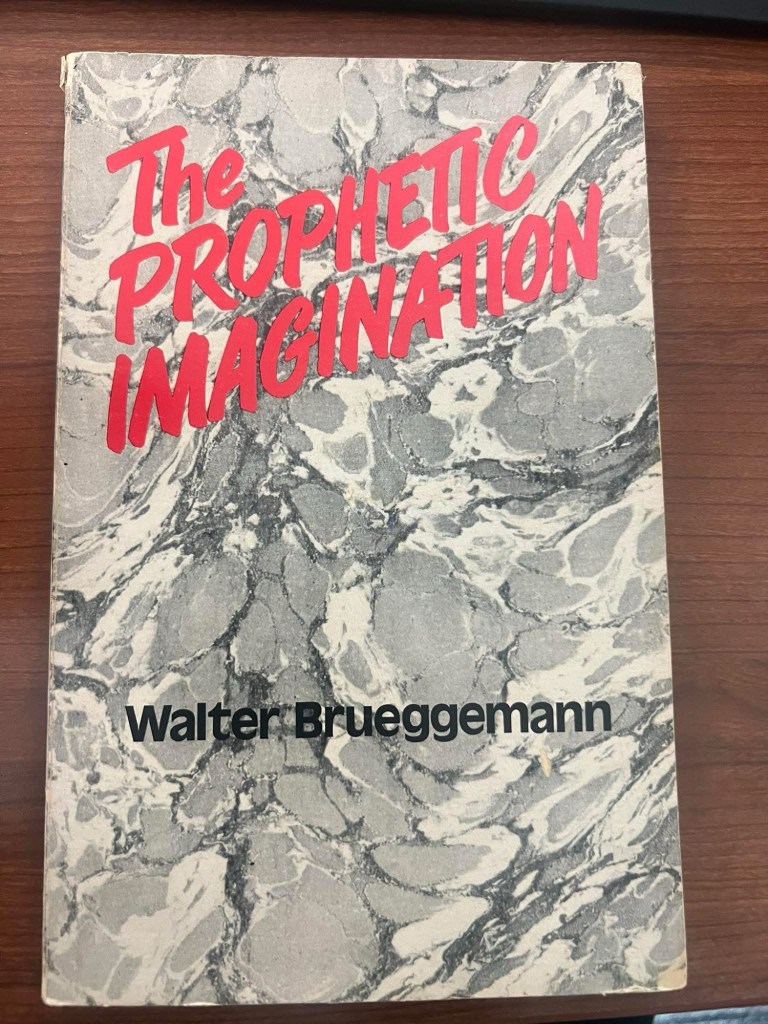


 drcelucienjoseph, "Thinking and Meditating"