“Du Bois the ‘Haitian,’ Haiti, and the New Documentary on Du Bois: ‘W. E. B. Du Bois: Rebel With A Cause’”
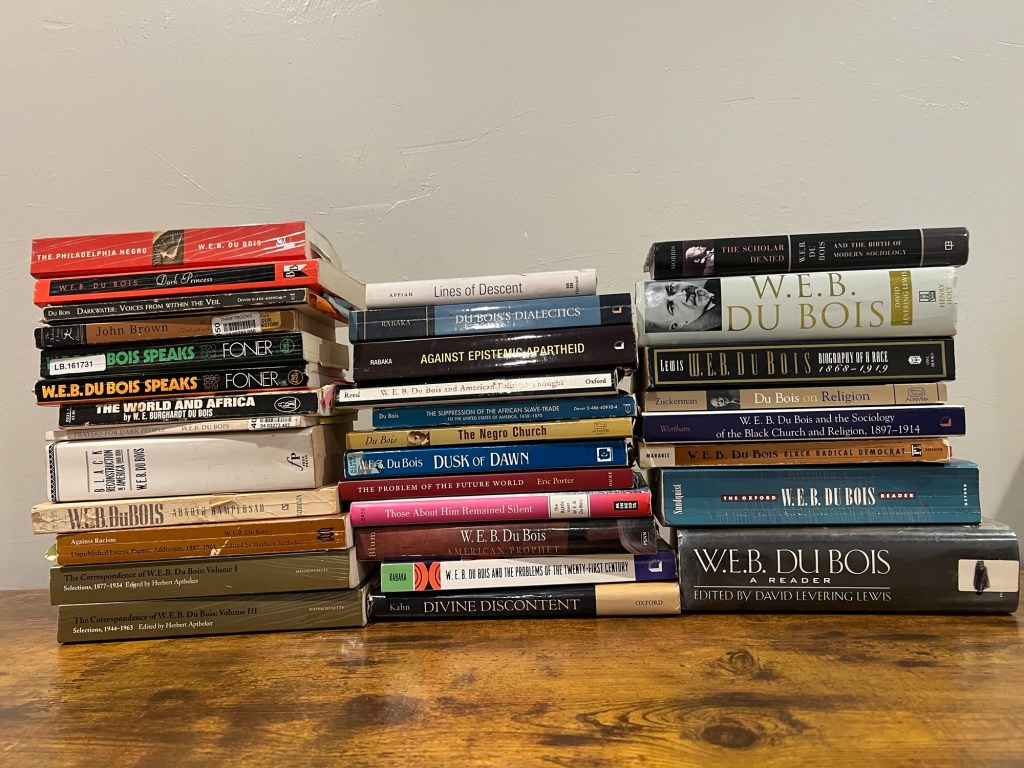
Whenever you see a scholar displays books online, it could mean he’s or she’s working on a research project. Here’s my small collection on W.E. B. Du Bois.
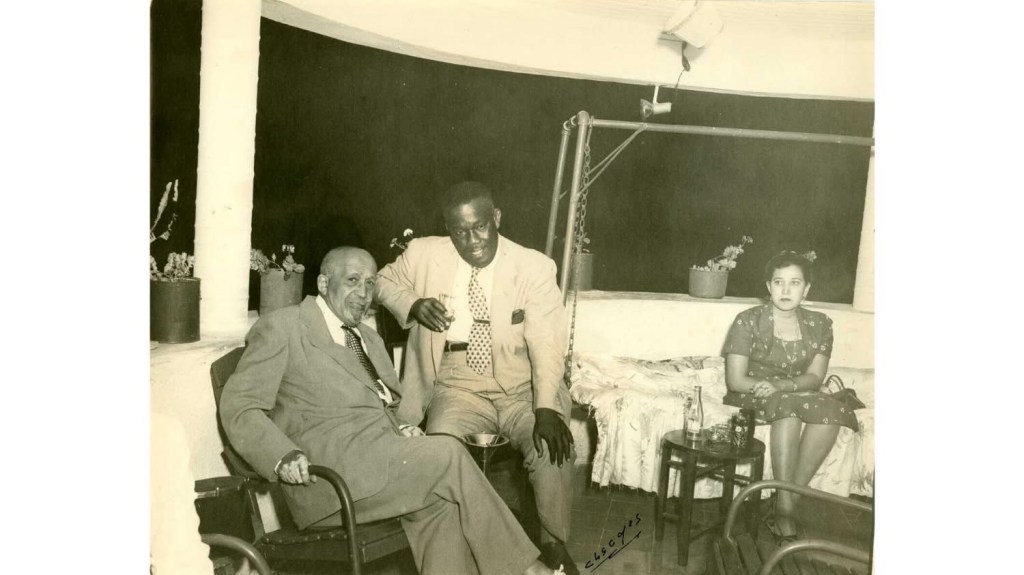
Source : https://credo.library.umass.edu/view/full/mums312-i0473
“Du Bois, Emile St. Lot, and Mrs. Roussan seated on a covered porch in Haiti. Taken at the family home “La Jacquiere”, located in the small rural town of Fermathe. “
By the way, I was a little disappointed about the new PBS documentary on Du Bois: “W.E.B. Du Bois: Rebel With a Cause.” There was no representative scholar in Haitian Studies or no scholar of Haitian descent commenting on Du Bois’s complex life and intellectual itineraries. I am quite aware that one documentary cannot do justice to such a magnitude and influential figure like Du Bois; however, Haiti occupied a major strategic and political role in his rich pan-African career and unapologetic activism, especially Du Bois’s war against capitalism, militarism, and anti-Black racism.
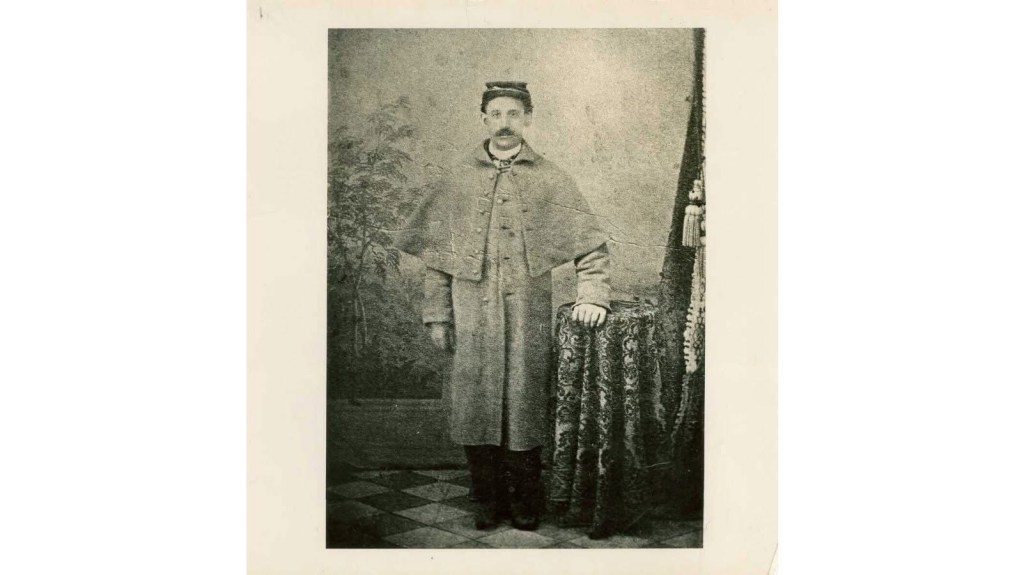
- Du Bois’s father was Haitian and born in Haiti. Du Bois discussed his Haitian background in his autobiographies.
- Du Bois wrote his doctoral dissertation at Harvard (1895) and discussed the Haitian Revolution (1791-1804) at great length, and he highlighted how the Haitian Revolution led to the abolition of slavery and the transatlantic slave trade, the Louisiana Purchase (1803), and the Southern states, including South Carolina—passed stricter slave codes and laws (1800)— restricting the movement and assembly of enslaved people for religious worship or purposes.
- As chief editor of “The Crisis” magazine and public intellectual, Du Bois used his influence and editorial activism to push back against the American military occupation in Haiti(1915-1934), and eventually Du Bois and his team of Black activists played an instrumental role in ending American imperialism in Haiti.
- Du Bois visited Haiti a couple of times and discussed his Haitian family and background—including his great cousin, the esteemed Haitian educator and intellectual Élie Du Bois—in his writings
- Du Bois was well-versed in Haitian history and talked about his father’s land prolifically in his writings.
- As a pan-Africanist, Du Bois planned to hold one of the Pan-African conferences in the 1920s in Haiti and exchanged correspondence with the well-regarded Haitian diplomat and cultural philosopher Dantès Bellegarde to help organize it there.
- Throughout the twentieth-century, especially the first half, Du Bois was actively writing to his Haitian friends, including Bellegarde, Jean Price-Mars, Sylvain, etc., and even wrote commentaries and book reviews on books published in Haiti—both in French and English.
Representation is important in scholarship, in the curriculum, in politics, education, and in Black Studies. There’s power and joy in representation, especially if and when it’s done with care, consideration, and collaboration.
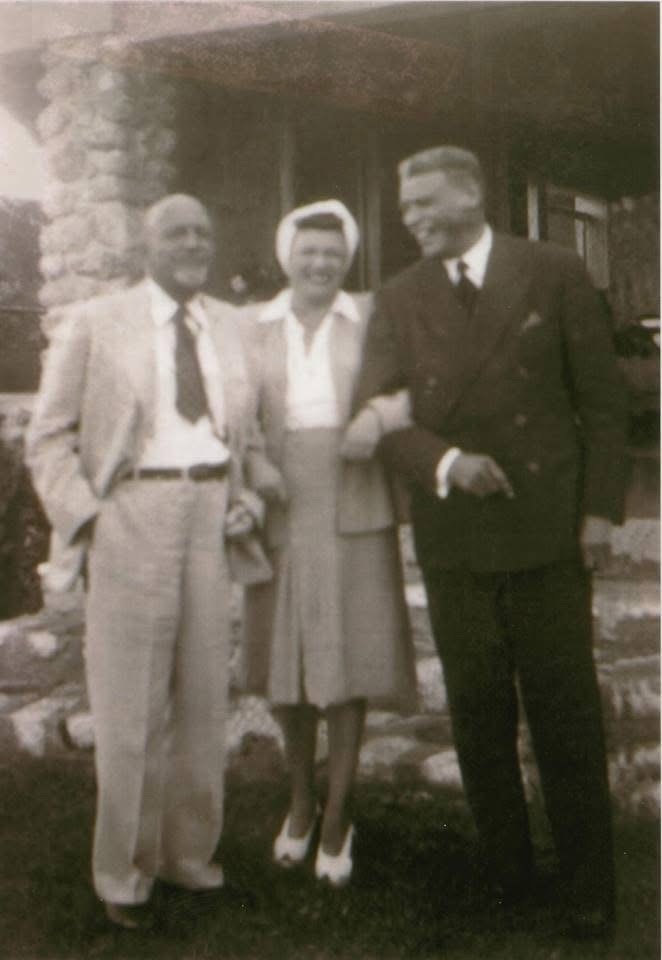
W.E.B. DuBois, Simone Bellegarde (Patrick Bellegarde-Smith’s mother), Dantè Bellegarde,, Petion-Ville, Haiti, 1940s
Alfred DuBois, W.E.B.’s father, Haitian-born