“Engaging and Citing Walter Brueggemann”
Starting today (June 18) and for the next thirty days (July 18), l will be posting excerpts from two influential works by Walter Brueggemann in celebration of his life, ideas, and work, especially his enormous influence on my life as a theologian and Old Testament scholarship. The great Professor passed away on June 5, 2025; he was 92 years old.

The two favorite books of mine that I will be quoting from are “The Prophetic Imagination,” first published in 1978 by Fortress Press, and “Theology of the Old Testament: Testimony, Dispute, Advocacy,” originally published in 1997-the year I graduated from High School—by Fortress Press. I call this series of posts “Engaging and Citing Walter Brueggemann.”
Let’s begin with our first statement:
“Here it is argued that they were concerned with most elemental changes in human society and that they understood a great deal about how change is effected. The prophets understood the possibility of change as linked to emotional extremities of life. They understood the strange incongruence between public conviction and personal yearning. Most of all, they understood the distinctive power of language, the capacity to speak in ways that evoke newness ‘fresh from the word.’ It is argued here that a prophetic understanding of reality is based in the notion that all social reality does spring fresh from the word. It is the aim of every totalitarian effort to stop the language of newness, and we are now learning that where such language stops we find our humanness diminished.”
—Brueggemann, “The Prophetic Imagination,” p. 9
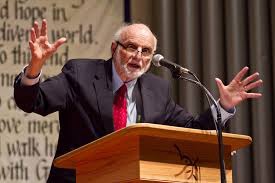

 drcelucienjoseph, "Thinking and Meditating"