Uncategorized
“Social Distancing, Reading, and Intellectual Growth in the time of Coronavirus”
“Social Distancing, Reading, and Intellectual Growth In the time of Coronavirus”
While I am self-quarantining at home or practicing physical distancing, I plan to order first the new books that I do not own and second to read (them) voraciously –throughout the summer:
- “The Sword and the Shield: The Revolutionary Lives of Malcolm X and Martin Luther King Jr.” by Peniel E. Joseph
- “Begin Again: James Baldwin’s America and Its Urgent Lessons for Our Own” by Eddie S. Glaude
- “Capital and Ideology” by Thomas Piketty
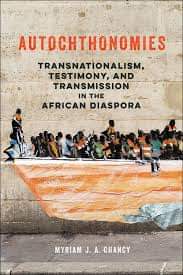
- “Autochtonomies: Transnationalism, Testimony, and Transmission in the African Diaspora” by Myriam J. A. Chancy
- “In a Post-Hegelian Spirit: Philosophical Theology as Idealistic Discontent” by Gary Dorrien
- “The Enlightenment that Failed: Ideas, Revolution, and Democratic Defeat, 1748-1830” by Jonathan I. Israel
- “Christ and the Common Life: Political Theology and the Case for Democracy” by Luke Bretherton
- “Paul and the Language of Faith” by Nijay K Gupta
- “Pauline Dogmatics: The Triumph of God’s Love” by Douglas Campbell
- “The Haitian Revolution: Capitalism, Slavery and Counter-Modernity” by Eduardo Grüner
***What are you reading while you are self-quarantining at home?
*** So far, in the past two weeks while practicing social distancing, I already devoured four novels.
#Readingwhilesocialdistancing
#Readinginthetimeofcoronavirus


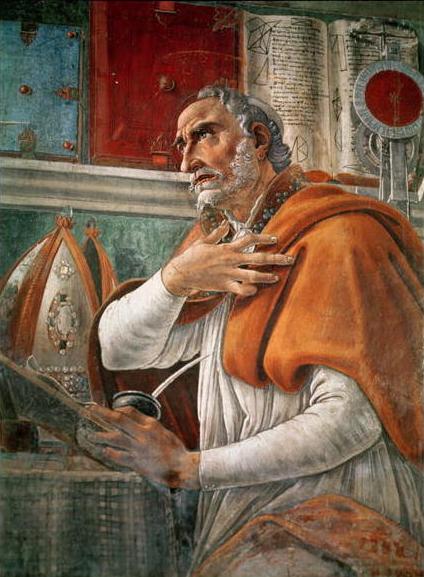
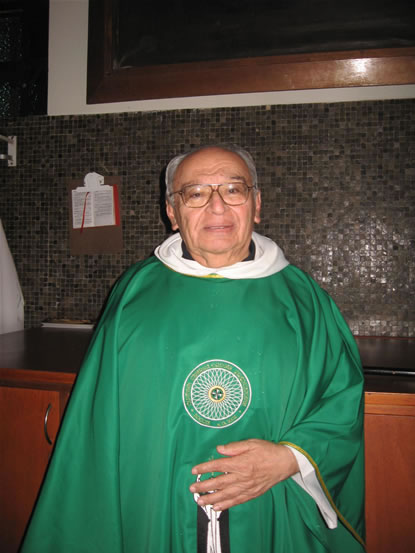
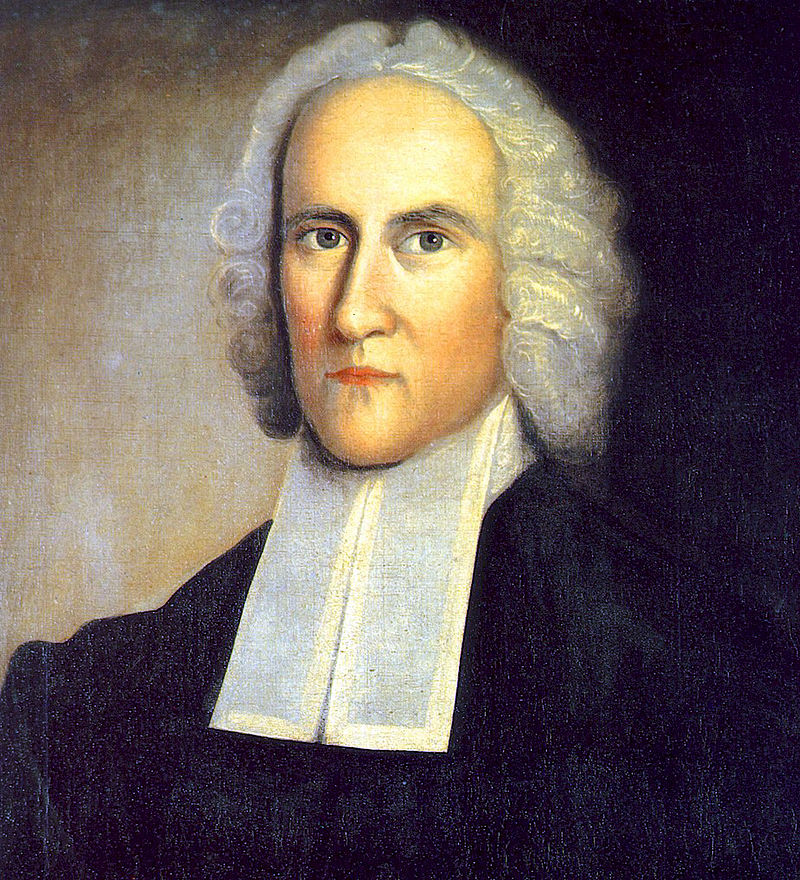
Describe your theology with four people through photos
Because everybody is playing this game, I want to play it too. We are all followers 🙂
Describe your theology with four people through photos:
Just in case you do not recognize these figures:
- James H. Cone (African American theologian)
- St. Augustin of Hippo (African theologian)
- Gustavo Gutierrez (Latin American theologians)
- Jonathan Edwards (White American theologian)
***Of course, I can list many more theologians, including both women and womanist theologians, who have influenced me as a theologian, thinker, and writer; yet I want to observe or play by the rules of the game.
«Une prière à Dieu au temps des coronavirus et de la détresse» (Audio) par Rev. Dr. Celucien Joseph
«Une prière à Dieu au temps des coronavirus et de la détresse» par Rev. Dr. Celucien Joseph
“A Prayer to God in the time of Coronavirus and Distress” (Audio)
“A Prayer to God in the time of Coronavirus and Distress”
In this audio, Rev. Dr. Joseph offers a prayer to God for those who have been affected/infected by the coronavirus and for those of us who are living in the time of the coronavirus and distress.
“God and the Urgency of our Prayers in the time of Coronavirus”
Natural disasters such as earthquakes, cyclones, tornadoes, typhoons, diseases, plagues, epidemics, panepidemics, etc. that go beyond human comprehension do not necessarily lead to divine causality as their source. The virus is nobody’s fault. As human beings, we are subject to pain, suffering, weakness, and vulnerability. Yet In the time of coronavirus, which may lead to vulnerability, anger, disappointment, alienation, despair, and even death, we should attempt to maintain human dignity at all times–especially the dignity of the sick, the abandoned, and the deceased–and in every moment in our human experience.
God is not responsible for acts of evil in the world. God is not a tyrant nor a dictator. He does not wish the death of anyone, even the death of the evil ones and those who hate him. Love is the ground that defines everything God does, the way he rules the world, and the way he intervenes in human affairs. It is the will of God for us his creation to live in harmony, justice, and peace in the world.
Nonetheless, there are cases in the Bible where God uses natural disasters as means to judge human wickedness and discipline people. While God has portrayed himself as the most loving and compassionate being in the cosmos, he is also the most holy being in the universe. The holy and righteous character of God does not allow God to look upon human wickedness or sin with favor. On the other hand, that does not explain anything that God is the cause of the pandemic. We do not know the mind of God and his ways are not our ways; thus, we cannot and should not attribute to God natural disasters and calamities unless we know for certain they originated in God.
On the other hand, human beings are volitional agents who act, interact, and govern within the boundaries of their agency, subjectivity, and freedom. However, through our actions, we can hurt others and inflict pain upon one another. Through our actions, we also bring disasters to the natural world and the environment, such as in the case of global warming, for example.
We know precisely when we hurt and oppress people. On the other hand, in the Christian understanding of human dynamics and governance, when we do something evil, we not only sin against our brothers and sisters, we also transgresss God’s moral law. Why? It is simply that we are created in God’s image to represent him in the world and to embody his moral virtues and qualities in our relationships. To put it simply, all human sin leads to death and all wickedness is accountable to God because God has a claim upon our lives, both collectively and individually.
God is our Maker and Father. God’s grace is always sufficient to comfort us in our suffering. The Bible says that there’s nothing in the world, even death (in our present context, It is the coronavirus as a panepidemic) that can separate us (that is, followers of Christ) from the love God in Christ Jesus. Hence, death is never a defeat for those who believe in Jesus and whose hope in this present and future is also in him. God is good all the time. God loves us all the time even in our most weakest and vulnerable moment.
Finally, in the time of coronavirus, it is important for the people of God and even those who deny God’s existence and his goodness to seek his face in prayer. They should pray for mercy, grace, forgiveness, and repentance. God is not a distant deity nor is he far away from his creation. God’s love and mercy transcend our shortcomings, and our religious traditions and dogmas. God hears the prayers of his people and always intervenes when they pray. Why should we then pray?
1) First, God has ordained prayer as a means of communication with him.
2) The Bible says that to bring all our needs and anxieties to God in prayer.
3) God promises that he will hear our prayers if and we we pray with a contrite heart and repentant spirit.
4) God always uses the means of prayer to calm our fears, to stop and recover us from natural disasters, to refresh us, and to restore his creation. We are the beneficiaries of his daily mercies and kindness.
5) Because God works miracles and acts supernaturally throug human prayers, he invites us to pray to him in moments of distress, agony, and suffering.
6) Through prayer, we can draw near God and God will draw near us.
7) Prayer unites us with Christ, and our union with Christ is a nurturing process that ensures our spiritual growth and leads us to a life of imitation and Christ-centeredness.
8) Finally, through prayer, we can get the divine perspective about the things of this world; in other words, God provides guidance and wisdom to us through prayer, especially in such a difficult time as this one.
If you believe in the power of prayer to change life events and circumstances and to move the hand of God to act urgently, graciously, and sovereingly, would you consider praying to God until the coronavirus goes away and life in this world goes back to normal.
*** We should also remember that God is a relational God and an emotional being. Hence, when we suffer, he suffers with us. Whe we hurt, he’s also touched and moved in compassion and care. He’s the King and Father who cares, comforts, guides, heals, protects, and restores.
God is not finished with the people of the United States and the people of other nations in the world. We are his image bearers in the world and He is our Maker. As his creation and people, we are the apple of his eye. God is our loving Father and Caretaker!
“Vodou in Haitian Memory: The Idea and Representation of Vodou in Haitian Imagination ed. by Celucien L. Joseph and Nixon S. Cleophat (A review)”
“Vodou in Haitian Memory: The Idea and Representation of Vodou in Haitian Imagination ed. by Celucien L. Joseph and Nixon S. Cleophat (review)”
Rebecca Vedavathy
Journal of Haitian Studies